
Episode 66 · Upcoming
The Compass That Rewrote the World's Maps
Friday, February 18, 2028 · 3:00 p.m. ET / 12:00 p.m. PT
The first magnetic pointer was a spoon, and it was not looking for a harbor.
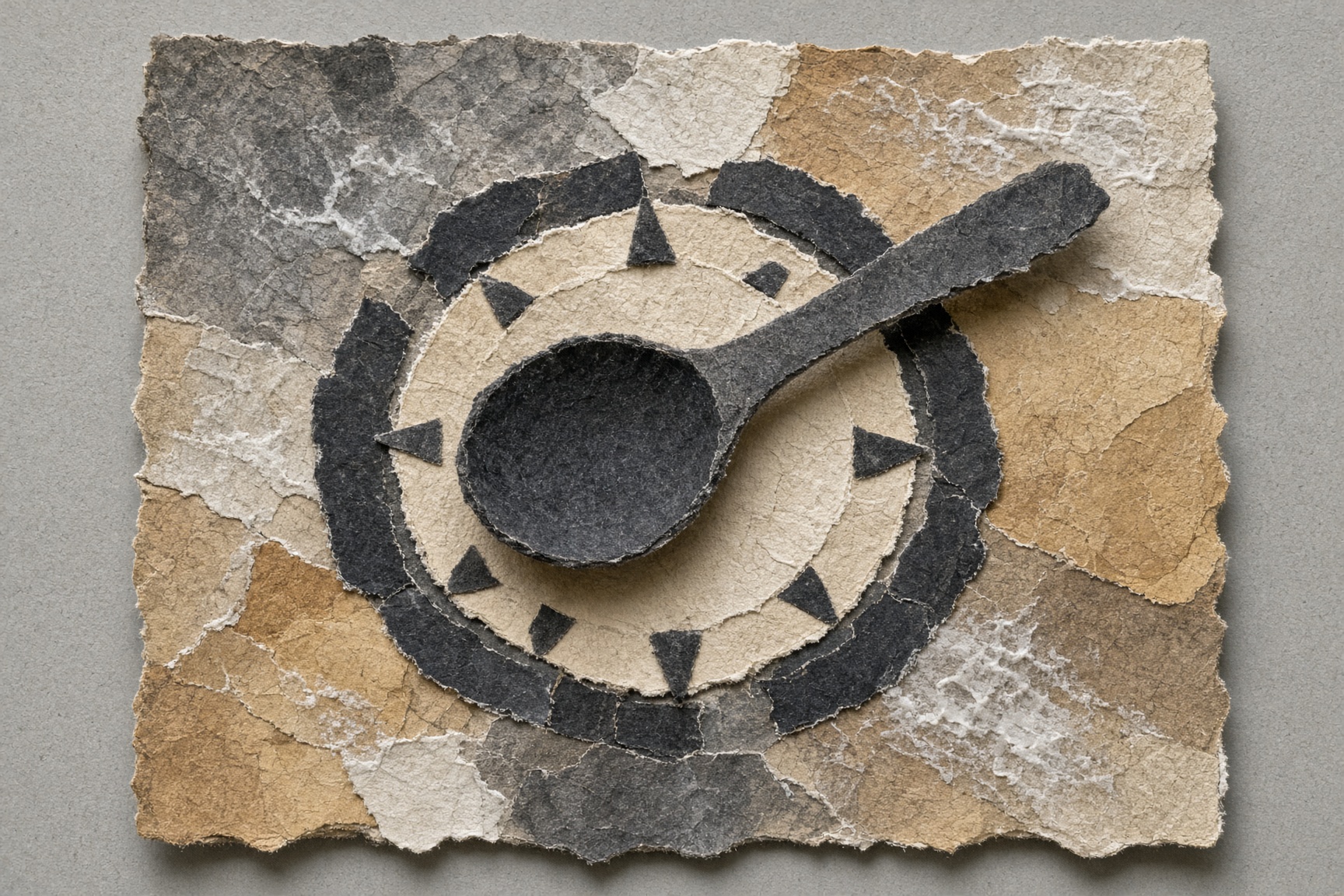
What the trailer is pointing at
In the channel trailer, Discoventions says the compass was not invented for sailors. The episode is still to come. This is the written trail so the claim is not just a line in a description.
A spoon of lodestone
By the Han dynasty, Chinese makers were shaping lodestone — naturally magnetic iron ore — into a spoon that sat on a bronze plate. The handle swung to the south. The device is called a sinan, a south-pointer. It belonged to geomancy and to the layout of buildings and tombs, not to a ship’s deck.
It was fragile and fussy. A spoon on a polished plate is a poor tool in rain and spray. That is a clue: the people who wanted it were not trying to cross an ocean.
The needle comes later
A floating or pivoted needle is a different invention, even if it uses the same invisible fact. Writers in the Song dynasty, including Shen Kuo in the 11th century, describe magnetized needles and notice that they do not point at true geographic south. That small complaint — magnetic declination — is the moment the device becomes a scientific instrument, not only a ritual one.
Sailors in the China seas, and later in the Indian Ocean and the Mediterranean, adopt the needle compass across the 11th to 13th centuries. The sea version is famous because it redrew maps. It is not the beginning.
The secret is the job, not the gadget
Call something a compass and a modern reader sees a ship. The older object was answering a different question: how do you align a place with the world when the sky is cloudy and the stars are no help? Sailors inherited the answer. They did not commission it.